Back to all courses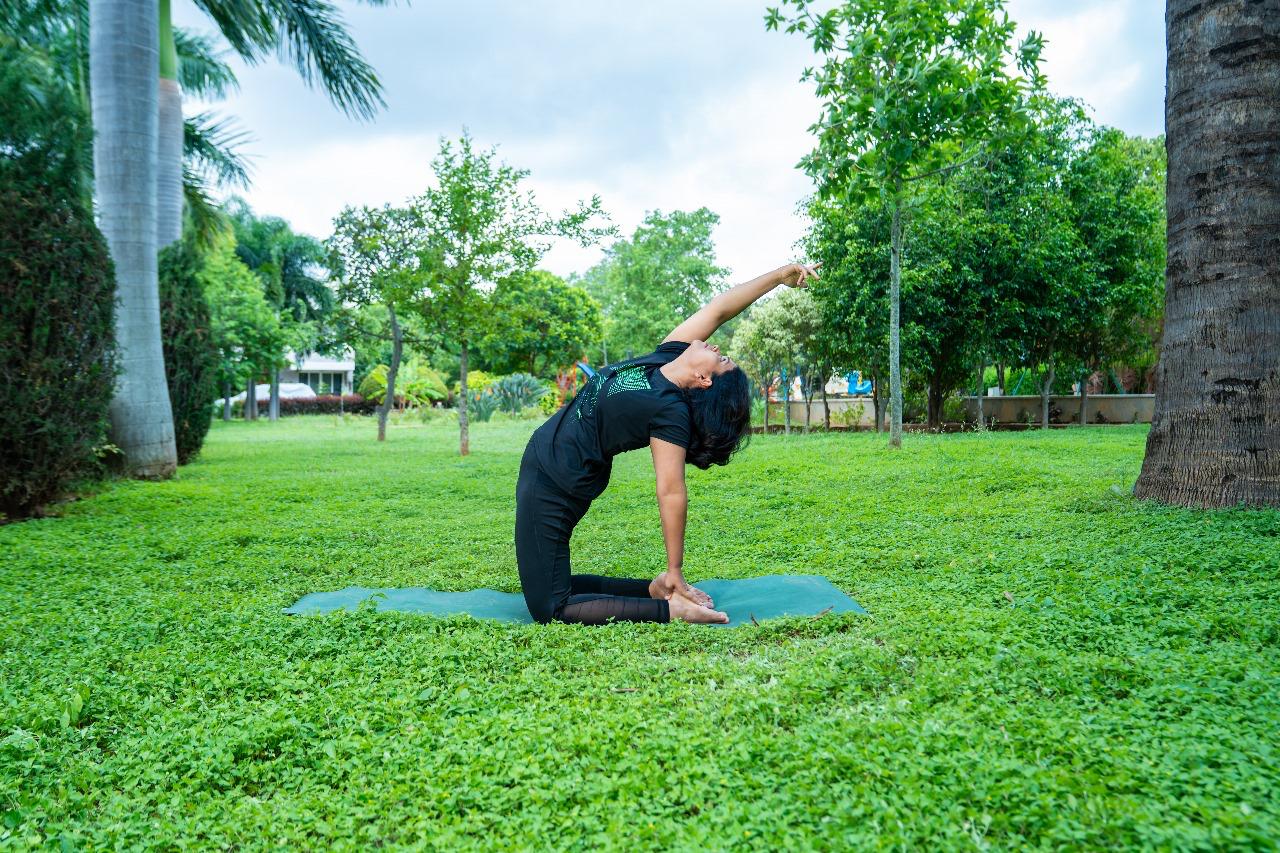
part time Program
Yoga Teacher and Evaluator (Level 3)
Yoga Teacher and Evaluator (Level 3) prepares experienced practitioners to teach across age groups and evaluate yoga students. Total tuition ₹40,000.
15 Months (Part-Time)
Level 3
Available on weekends
Online
₹2,600/month + ₹6,220 exam fees
Syllabus
- Name of the Certification: Yoga Teacher and Evaluator (YT&E)
- Course level: Level 3
- Eligibility: For open candidates there is no eligibility criteria. For admission it is suggested/desired that the candidate should be graduate in any stream from a recognized University or equivalent. Yoga Institutions can define their own eligibility.
- Brief Role Description: Master Trainers in Yoga educational Institutions, Yoga training courses and training programs. Can act as Evaluator and assessor of Yoga professionals. Can teach in studios, institutions, colleges, universities and institutions of higher learning.
- Minimum age: No age limit
- Personal Attributes: Good communication skills, time management, ability to read body language; self-discipline, confidence, maturity, patience, compassion, active listening, empathy, language proficiency, engaging with students, dedication to teaching, ability to build caring relationships, friendliness and approachability, independence, credibility, analytical skills.
- Credit points for certificate: 46 credits
- Duration of course: Not less than 800 hours or not less than 15 months as part time or not less than 9 months as full time course.
- Mark Distribution — Total Marks: 200 (Theory: 80 + Practical: 120)
- Theory Unit 1 – Foundation of Yoga (20); Unit 2 – Introduction to Yoga Texts (20); Unit 3 – Yoga and Health (20); Unit 4 – Applied Yoga (20). Total: 80.
- Practical: Demonstration Skills (60), Teaching Skills (20), Evaluation Skill (20), Application of knowledge (10), Field Experience (10). Total: 120.
- UNIT 1 — Foundation of Yoga
- 1.1 Etymology and Definitions of Yoga (Patanjala Yoga Sutra, Bhagwad Gita, Kathopanishad).
- 1.2 Brief Introduction to origin, history and development of Yoga (Pre-Vedic period to contemporary times).
- 1.3 Yoga in Principal Upanishads.
- 1.4 Yoga tradition in Jainism: Syadvada (theory of seven-fold predictions); concept of Kayotsarga / Preksha meditation.
- 1.5 Yoga tradition in Buddhism: concept of Aryasatyas (four noble truths).
- 1.6 Salient features and branches of Bharatiya Darshana (Astika and Nastika Darshana).
- 1.7 General introduction to Shad Darshana with special emphasis on Samkhya, Yoga and Vedanta Darshana.
- 1.8 Brief survey of Yoga in Modern and Contemporary Times (Shri Ramakrishna, Shri Aurobindo, Maharishi Raman, Swami Vivekananda, Swami Dayananda Saraswati, Swami Shivananda, Paramhansa Madhavadas ji, Yogacharya Shri T. Krishnamacharya).
- 1.9 Guiding principles to be followed by the practitioner.
- 1.10 Brief Introduction to Schools of Yoga: Jnana, Bhakti, Karma, Raja & Hatha.
- 1.11 Principles and Practices of Jnana Yoga.
- 1.12 Principles and Practices of Bhakti Yoga.
- 1.13 Principles and Practices of Karma Yoga.
- 1.14 Concept and Principles of Sukshma Vyayama, Sthula Vyayama, Surya Namaskara and their significance in Yoga Sadhana.
- 1.15 Concept and Principles of Shatkarma: Meaning, Types, Principles and their significance in Yoga Sadhana.
- 1.16 Concept and Principles of Yogasana: Meaning, definition, types and their significance in Yoga Sadhana.
- 1.17 Concept and Principles of Pranayama: Meaning, definition, types and their significance in Yoga Sadhana.
- 1.18 Introduction to Bandha & Mudra and their health benefits.
- 1.19 Introduction to Yogic relaxation techniques with special reference to Yoga Nidra.
- 1.20 Introduction to Dhyana and its role in health and well being.
- UNIT 2 — Introduction to Yoga Texts
- 2.1 Introduction to Prasthanatrayee, Purushartha Chatushtaya and goal of human life.
- 2.2 Yoga in Kathopanishad, Prashnopanishad, Taittiriyopanishad with special emphasis on Panchakosha Vivek and Ananda Mimamsa.
- 2.3 Concept of Sthitaprajna (stages and characteristics) in Bhagavad Gita.
- 2.4 Significance of Bhagavad Gita as a synthesis of Yoga.
- 2.5 Concept of healthy living in Bhagavad Gita (Ahara, Vihara, Achara, Vichara).
- 2.6 Introduction and highlights of Yoga Vasishtha; definitions of Yoga and their relevance in Yoga Vasishtha.
- 2.7 Study of Patanjala Yoga Sutra including selected sutras from following chapters (I — 1 to 12, II — 1 to 2, 46 to 55, III — 1 to 6).
- 2.8 Concept of Chitta, Chitta Bhumi, Chitta Vritti, Chitta Vikshepa, Chittaprasadanam, Klesha and Vivek-Khyati and their relationship with wellness.
- 2.9 Concept of Ishwara and its relevance in Yogasadhana; qualities of Ishwara; Ishwarapranidhana.
- 2.10 Concept of Kriya Yoga of Patanjali and its importance for healthy living.
- 2.11 Bahiranga Yoga of Maharishi Patanjali (Yama, Niyama, Asana, Pranayama, Pratyahara).
- 2.12 Antaranga Yoga of Maharishi Patanjali (Dharana, Dhyana, Samadhi).
- 2.13 Concept of mental well-being according to Patanjala Yoga.
- 2.14 Hatha Yoga: its origin, history and development; meaning, definition, aim, objectives and misconceptions about Hatha Yoga.
- 2.15 Sadhaka Tattva and Badhaka Tattva; principles to be followed by Hatha Yoga practitioner.
- 2.16 Concept of Matha, Mitahara, Pathya & Apathya; Types of Aspirants.
- 2.17 Hatha Yoga practices according to different Hatha Yogic Texts (Hatha Pradipika, Gheranda Samhita and Hatharatnavali).
- 2.18 Concept of Shwasa-Prashwasa, Vayu, Prana, Upa-Prana, Shat Chakra etc.
- 2.19 Knowledge of Hatha Yoga practices for wellness (Shatkarma, Asanas, Pranayama, Mudra, Nadaanusandhana).
- 2.20 Relevance and importance of Hatha Yoga practices in health and well being.
- UNIT 3 — Yoga and Health (Introduction to Human Body — Anatomy and Physiology)
- 3.1 Introduction to Human body.
- 3.2 Basic structure and functions of Musculoskeletal, Respiratory, Cardiovascular, Nervous, Digestive and Endocrine systems.
- 3.3 Homeostasis: its mechanism to maintain the internal environment of the body.
- 3.4 Introduction to sensory organs (Eyes, Nose, Ears, Tongue and Skin).
- 3.5 Impact of Yogic practices on different systems of the human body: Benefits of Shatkarma, Yogasana, Pranayama and Bandha on Respiratory, Circulatory, Musculoskeletal systems.
- Introduction to Psychology — 3.6 Introduction to psychology, concept of human psyche, stages of consciousness, cognitive process: its meaning and nature.
- 3.7 Definition and nature of Behavior, kinds of Behavior, Motivation.
- 3.8 Emotions: definition, nature and physiological changes during Emotion.
- 3.9 Mental Health: Yogic view of Mental Health and Mental Illness.
- 3.10 Role of Yoga in Mental Health; importance of psychosocial environment for health and wellness.
- Yoga for Health and Wellness — 3.11 Yogic concept of health, wellness and illness.
- 3.12 Importance of psycho-social environment for health and wellness.
- 3.13 Role of Yoga in various dimensions (physical, mental, social and spiritual) of health.
- 3.14 Importance of following Dinacharya and Ritucharya for well being.
- 3.15 Role of Ahara, Nidra and Brahmacharya in wellness.
- Yoga for Disease Prevention and Health Promotion — 3.16 Meaning and definition of Health and Disease; Concept of Adhi and Vyadhi; Yoga as preventive Health care — Heyam dukham anagatam.
- 3.17 Potential causes of ill-health: Tapatrayas and Kleshas; mental and emotional ill-health: Antarayas.
- 3.18 Shuddhi Prakriyas in Yoga and their role in preventive and curative Health.
- 3.19 Knowledge of Trigunas, Pancha-Kosha, Pancha-Prana and Shat-chakra and their role in Health and Disease.
- 3.20 Yogic concept of Holistic Health and its importance in the management of Diseases.
- UNIT 4 — Applied Yoga (Yoga and Education)
- 4.1 Education: its meaning, definition and goal; role and importance of education in Human Excellence.
- 4.2 Yoga in Education: Salient features of Yoga Education; Factors of Yoga Education — Teacher, Student and Teaching; Guru-Shishya-Parampara and its importance in Yoga Education.
- 4.3 Value Education: meaning and definition; types of values; value-oriented Education in Personality Development.
- 4.4 Contribution of Yoga towards development of values; Spiritual Growth.
- 4.5 Salient features of an Ideal Yoga Teacher; role of Yoga Teacher in Value-oriented Education; role of Yoga in development of a healthy society.
- Yoga for Personality Development — 4.6 Personality: meaning and types of personality.
- 4.7 Determinants of Personality with reference to psycho-social environment.
- 4.8 Knowledge of various facets and stages of development of personality.
- 4.9 Personality Development; role of spirituality and positive attitude in personality development.
- 4.10 Role of Yogic practices (Asana, Pranayama, Shatkarma, Bandha, Mudra etc.) in Personality Development.
- Yogic Management of Stress and its Consequences — 4.11 Definition, nature and types of stress.
- 4.12 Symptoms and consequences of stress on human mind.
- 4.13 Yogic perspective of stress; Yogic principles for the management of stress and its consequences.
- 4.14 Concepts and techniques of Stress management in Ashtanga Yoga of Patanjala Yogasutra and Bhagavad Gita.
- 4.15 Specific practices for stress management: Yogasana, Breath Awareness, Shavasana, Yoganidra, Pranayama and Meditation.
- Yoga for Prevention and Management of Lifestyle Disorders — 4.16 Concept of Yogic lifestyle and its relevance.
- 4.17 General knowledge about lifestyle related disorders: Acidity, Constipation, Irritable Bowel Syndrome (IBS), Bronchial Asthma, Sinusitis, Hypertension, Neck pain, Low Backache, Osteo-arthritis etc.
- 4.18 Role of Yoga in prevention and management of common disorders: Acidity, Constipation, IBS, Bronchial Asthma, Sinusitis, Hypertension, Neck pain, Low Backache, Osteo-arthritis.
- 4.19 Role of Yoga in prevention and management of non-communicable disorders.
- 4.20 Yoga as an integral medication.
- PRACTICAL
- 5.1 Prayer — Concept and Recitation of Pranava; Concept and Recitation of Hymns; Selected universal prayers, invocations and Nishpatti Bhava.
- 5.2 Yogic Shat Karma — Neti: Sutra Neti and Jala Neti; Dhauti: Vamana Dhauti (Kunjal); Kapalbhati (Vatakrama).
- 5.3 Yogic Sukshma Vyayama (Microcirculation) — Neck: Griva Shakti Vikasaka (I, II, III, IV); Shoulder: Bhuja Valli Shakti Vikasaka, Purna Bhuja Shakti Vikasaka; Trunk: Kati Shakti Vikasaka (I-V); Knee: Jangha Shakti Vikasaka (II A & B), Janu Shakti Vikasaka; Ankle: Pada-mula Shakti Vikasaka A & B, Gulpha-pada-prishtha-pada-tala Shakti Vikasaka. Sthula Vyayama (Macrocirculation): Sarvanga Pushti; Hrid Gati (Engine run).
- 5.4 Yogic Surya Namaskara with Mantra.
- 5.5 Yogasana — Tadasana, Hastottanasana, Vrikshasana; Ardha Chakrasana, Padahastasana; Trikonasana, Parshva Konasana, Katichakrasana; Dandasana, Bhadrasana, Padmasana, Vajrasana; Yogamudrasana, Parvatasana; Mandukasana, Ushtrasana, Shashankasana, Utthana Mandukasana; Paschimottanasana, Purvottanasana; Vakrasana, Ardha Matsyendrasana, Gomukhasana; Makarasana, Bhujangasana, Salabhasana, Dhanurasana; Pavanamuktasana and its variations; Uttanapadasana, Ardha Halasana, Setubandhasana, Saral-Matsyasana; Halasana, Chakrasana; Sirshasana; Shavasana.
- 5.6 Preparatory Breathing Practices — Sectional Breathing (Abdominal, Thoracic and Clavicular); Yogic Deep Breathing; Anuloma Viloma / Nadi Shodhana.
- 5.7 Pranayama — Concept of Puraka, Rechaka and Kumbhaka; Ujjayee, Sheetali, Sitkari, Bhramari Pranayama (all without Kumbhaka).
- 5.8 Bandha and Mudra — Bandha: Jalandhara, Uddiyana, Mula; Mudra: Yoga Mudra, Maha Mudra, Vipareetakarani Mudra.
- 5.9 Practices leading to Dhyana Sadhana — Body and Breath awareness; Yoga Nidra; Antarmauna; Recitation of Pranava and Soham; Recitation of Hymns; Practice of Dhyana.
- 5.10 Methods of Teaching & Evaluation — Teaching methods with special reference to Yoga; factors influencing Yoga teaching; need of teaching practice; Teaching Aids: meaning, need and role of language, voice, fluency, clarity and body language; methods of teaching to individuals, small and large groups; use of audio-visual aids, ICT, multimedia and online resources; lecture-cum-demonstration; lesson plan preparation for individual and group; presentation of lessons in Kriya, Asana, Pranayama and Dhyana; assessment of a Yoga class (detection and correction of mistakes); measurement, assessment and evaluation — concepts, principles and applications; examination reforms; formative and summative evaluation; programme evaluation of Yoga class / workshops / camps, yoga teaching and yoga teacher; assessment of yoga centres and institutes — criteria, processes, instruments, results.
Learning Outcomes
- Ability to teach yoga professionally
- Skills to evaluate yoga students
- Strong grounding in yoga philosophy
- Level 3 certification
Schedule
- Classes on weekends (Sat & Sun)
- Online live sessions
- Recordings available for revision
What's Included
- Live online classes
- Comprehensive study materials
- Teaching practicum with mentor feedback
- Certification on successful evaluation
Ready to begin your journey?
Secure your seat in the next batch of Yoga Teacher and Evaluator (Level 3).