Back to all courses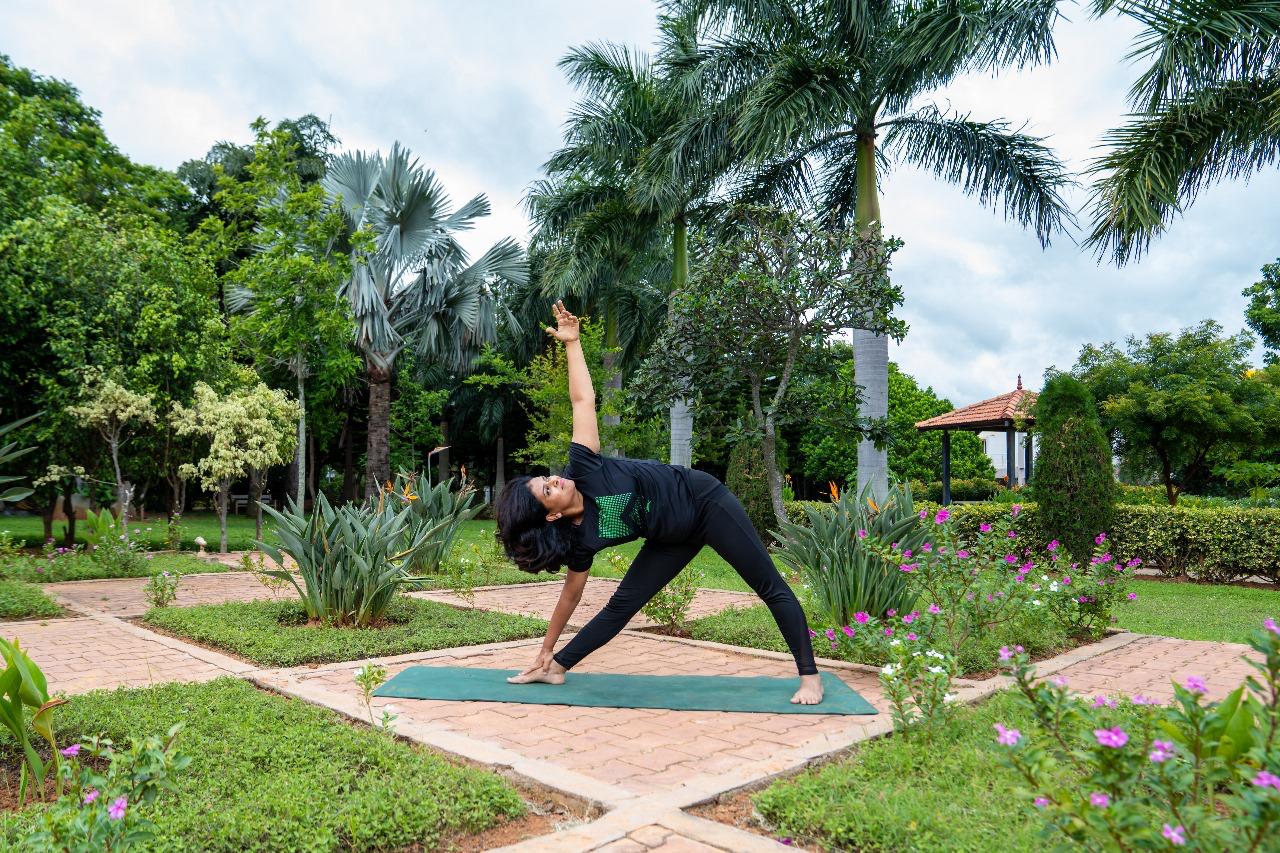
part time Program
Yoga Master (Level 4)
Yoga Master (Level 4) is a comprehensive program for senior practitioners aiming for mastery in teaching, philosophy and yogic sciences. Total tuition ₹55,000.
18 Months (Part-Time)
Level 4
Available on weekends
Online
₹3,000/month + ₹8,400 exam fees
Syllabus
- Name of the Certification: Yoga Master (YM)
- Eligibility: For open candidates there is no eligibility criteria. For admission it is suggested/desired that the candidate should be graduate in any stream from a recognized University or equivalent. Yoga Institutions can define their own eligibility.
- Brief Role Description: Shall act as Master Educator / Trainer in Yoga Educational programs. Skilled professionals can teach, evaluate & assess for all categories of certification under Yoga Training and Education and will be a guiding force.
- Minimum age: No age limit
- Personal Attributes: Good communication skills, time management, ability to read body language; self-discipline, confidence, maturity, patience, compassion, active listening, empathy, language proficiency, engaging with students, dedication to teaching, ability to build caring relationships, friendliness and approachability, independence, credibility, analytical skills.
- Credit points for certificate: 92 credits
- Duration of course: Not less than 1600 hours.
- Mark Distribution — Total Marks: 200 (Theory: 120 + Practical: 80)
- Theory Unit 1 – Philosophical Foundation of Yoga (30); Unit 2 – Principles and Practices of Yoga in Traditional Texts (30); Unit 3 – Allied Science (30); Unit 4 – Applied Yoga (30). Total: 120.
- Practical: Demonstration Skills (15), Teaching Skills (15), Evaluation Skills (20), Application of knowledge (20), Field Experience (10). Total: 80.
- Note: Students with PG/M.Sc. in Yoga from a YCB-accredited institute receive a 10-marks exemption in field experience work on producing a certified copy of field experience from their institute.
- UNIT 1 — Philosophical Foundation of Yoga
- 1.1 Origin and general history and development of Yoga (Pre-Vedic to contemporary period); definitions of Yoga in different Yoga texts; aim, objectives and misconceptions about Yoga; true nature and principles of Yoga.
- 1.2 Meaning and objectives of Darshana; branches of Indian Philosophy; nature of Yoga in Bharatiya Darshana; salient features of Shad Darshana; distinction between Indian Philosophy and Western Philosophy; essence of Samkhya, Yoga and Vedanta Darshana; general introduction to Nastika Darshana and their practices.
- 1.3 Introduction to Vedas and Upanishads, Prasthanatrayee & Purushartha Chatushtaya; Yoga in Epics — Ramayana, Mahabharata; nature of Yoga in Smritis, Puranas, Aagamas and Tantras; concept of Pancha-Kosha; concept of Nadi, Prana, Kundalini in Tantra; elements of Yoga in Narada Bhakti Sutra.
- 1.4 Evolution of Yoga: Pre-Vedic to contemporary period.
- 1.5 Yoga in Medieval period: features of Natha Parampara; Bhakti Yoga of Medieval saints; characteristics of Yoga in Narada Bhakti Sutras; Yoga in the literature of saints — Kabirdas, Tulasidas and Surdas.
- 1.6 Elements of Yoga in Jainism (concept of Syadvada, Ratnatraya, Kayotsarga), Buddhism (concept of Aryasatyas, Arya-ashtangika-marga & Vipasana) and Sufism; Sufi meditation techniques; characteristics of Yoga in Sikhism; elements of Sahaja Yoga or Nama Yoga of Guru Nanak.
- 1.7 Yoga in Modern times: Yoga traditions of Sri Ramakrishna and Swami Vivekananda; Integral Yoga of Shri Aurobindo; Yoga of Maharishi Raman and Swami Dayanand Saraswati; Yoga Paramparas from modern to contemporary times; contribution of different Yoga gurus.
- 1.8 Yoga in Contemporary Times: knowledge of Yoga Paramparas (lineages) of contemporary times — Yogacharya Sri T. Krishnamacharya, Swami Rama of Himalayas, Maharshi Mahesh Yogi, Swami Dhirendra Brahmchari and their contributions for the development and promotion of Yoga.
- 1.9 Schools of Yoga — 1.9.1 Yoga Schools with Vedanta Tradition (Jnana, Bhakti, Karma, Dhyana); 1.9.2 Yoga Schools with Samkhya Yoga Tradition (Patanjali Yoga); 1.9.3 Yoga Schools with Tantric Tradition (Hatha Yoga, Swara Yoga and Mantra Yoga).
- UNIT 2 — Principles and Practices of Yoga in Traditional Texts
- 2.1 Principal Upanishads: Introduction to Upanishads; essence of Principal Upanishads; Yogatattva in Principal Upanishads; concept of Panchakosha, Tri-sharira, Omkara Upasana; Ashtanga Yoga in Principal Upanishads.
- 2.2 Yogopanishads: Introduction to Yogopanishads; essence of Yogopanishads.
- 2.3 Bhagavad Gita: General Introduction to Bhagavad Gita (B.G.) and its traditional commentaries and commentators; essence of Bhagavad Gita as a synthesis of Karma, Bhakti and Jnana Yoga; concept of Sthitaprajna — stages and characteristics; relevance of Samkhya Yoga; concept of Atman (Purusha) and Jivatman; Jnana Yoga in the context of Bhagavad Gita; concept of Karma Yoga, Nishkam Karma and Karma Phala; concept of Bhakti Yoga — features of Bhakta, nature of Bhakti, means and end of Bhakti-Yoga; nature of Dhyana as described in Bhagavad Gita; concept and classification of Ahara and Triguna; importance of Bhagavad Gita in day-to-day life.
- 2.4 Patanjali Yoga Sutra — 2.4.1 Introduction to Patanjala Yoga Darshana; knowledge of traditional commentaries and commentators; metaphysics of Samkhya and its relationship with Yoga Darshana of Patanjali; concept of Purusha, Prakriti; twenty-five entities according to Samkhya; Tapatrayas; relationship between Samkhya and Yoga Darshana; concept of Antahkaranas, Chitta, Chitta-Bhumis.
- 2.4.2 Concept of Chitta-vritti, Chitta-vritti-nirodhopaya; concept of Ishwara and its relevance in Yogasadhana; qualities of Ishwara; Ishwarapranidhana; Chitta-Vikshepas (Antarayas) and concept of Chitta-prasadanam; relevance of Chitta-prasadanam in Yoga Sadhana; types and nature of Samadhi in Yoga Sutra; Ritambharaprajna and Adhyatmaprasada; difference between Samapatti and Samadhi.
- 2.4.3 Kriya Yoga of Patanjali; concept of Kleshas, Heya, Hetu, Haana and Hanopaya; Viveka-khyati; significance of each limb of Ashtanga Yoga.
- 2.4.4 Concept of Vibhutis, Ashtha Siddhis and their relevance in Yoga Sadhana; concept of Parinamas; essence of Kaivalya in Yoga Sutras of Patanjali.
- 2.5 Hatha Yoga Texts — 2.5.1 Knowledge of Hatha Yoga and Hatha Yoga Texts (Siddhasiddhanta Paddhati, Hatha Pradipika, Gheranda Samhita, Hatha Ratnavali and Shiva Samhita); Hathayogi-parampara.
- 2.5.2 Importance of Hatha and its secrecy; prerequisites of Hatha Yoga (Dasha Yama and Dasha Niyama).
- 2.5.3 Constructive (Sadhaka) and Destructive (Badhaka) tattvas in Hatha Yoga; concept of Matha, Mitahara, Pathya and Apathya.
- 2.5.4 Shatkarma — knowledge of Shatkarma, their techniques, benefits, precautions and contraindications mentioned in different Hatha Yogic Texts; application and relevance in modern days.
- 2.5.5 Yogasana — knowledge of Yogasana, their techniques, benefits, precautions and contraindications mentioned in different Hatha Yogic Texts; application and relevance in modern days.
- 2.5.6 Pranayama — knowledge of Pranayama, their techniques, benefits, precautions and contraindications mentioned in different Hatha Yogic Texts; application and relevance in modern days.
- 2.5.7 Bandha & Mudra — knowledge of Bandha & Mudra, their techniques, benefits, precautions and contraindications mentioned in different Hatha Yogic Texts; application and relevance in modern days.
- 2.5.8 Concept of Pratyahara, Dharana, Dhyana and Samadhi in different Hatha Yoga Texts; concept and importance of Nada and Nadanusandhana in Hatha Pradipika; four stages of Nadanusandhana; relationship between Hatha Yoga and Raja Yoga.
- 2.6 Yoga Vasishtha — 2.6.1 Introduction and highlights of Yoga Vasishtha; definitions of Yoga and their relevance; concept of Mind — world is the projection of Mind; Manah Prashamanah Upayah Yoga — mind control through Abhyasa (practice) and Vairagya (detachment).
- 2.6.2 Concept of Jnana: Jnana Saptabhumika, importance and types of knowledge; management of Mind and emotions — enhancing the power of discrimination (Viveka).
- 2.6.3 Prana and Pranayama: control of breathing; the story of Kakabhushanda; understanding of the concept of Adhi and Vyadhi.
- 2.6.4 Concept of Samadhi and Moksha: good association; self enquiry; development of Satvaguna (good virtues); eight limbs of meditation.
- UNIT 3 — Allied Science
- 3.1 Anatomy & Physiology of Human Body and Human Psychology — 3.1.1 Introduction to cell, tissue, organs and organ systems; basic physiology and functions of organelles; osmosis across the cell; mechanism of Homeostasis; Blood composition and functions of components; Immunity and body defence mechanism; Platelets and Blood clotting; Blood groups and their importance; Macrophage; Lymphatic system and lymph.
- 3.1.2 Musculoskeletal systems: Skeleton — structure and functions of bone; classification of Bone and Joints; definition of joints and muscles; cartilage, tendon and ligaments; structure of spine, muscles and their functions; classification of Skeletal muscles; properties of skeletal muscles; mechanism of muscular contraction and relaxation; Neuromuscular junction; Sarcotubular system; Smooth muscle — mechanism of contraction.
- 3.1.3 Digestive and Excretory system: Anatomy and Physiology — structural organization, mechanism and functions; Dialysis.
- 3.1.4 Cardiovascular and respiratory system: Anatomy and Physiology — structural organization, mechanism and functions.
- 3.1.5 Nervous system: Anatomy and Physiology — structural organization, mechanism and functions.
- 3.1.6 Endocrine system: Location and functions of Endocrine hormones (Hypothalamus, Pituitary, Adrenal, Thyroid, Parathyroid, Pancreas, gonads).
- 3.1.7 Immune system and special senses: Component organs and functions of immune system; structure and function of eye, ear, nose, tongue and skin.
- 3.1.8 Reproductive system: Anatomy and physiology of male and female reproductive systems; functions of Reproductive System.
- 3.2 Dietetics and Nutrition — 3.2.1 Definition of nutrition and food; functions of food; components of food and their classification; Macro and Micro Nutrients — sources, functions and effects on the body; significance of Carbohydrate, Proteins, Lipids, Vitamins, Minerals and Water.
- 3.2.2 Basal Metabolic Rate (BMR): definition, normal values, factors affecting BMR; specific dynamic action of food; concept of Metabolism, Anabolism, Catabolism and Calorie Requirement.
- 3.2.3 Definition of Energy; components of Energy Requirement; factors affecting Energy Requirement and Expenditure.
- 3.2.4 Definition of Balanced diet; role of carbohydrates, proteins, fats, vitamins and minerals; Recommended Dietary Allowances.
- 3.3 Yoga and Ayurveda: Meaning, definition, aim and objectives of Ayurveda; basic principles — Tridosha, Triguna, Saptadhatu, Trimala, Pancha Mahabhuta, Prakruti and Manas; concept of Health and Disease according to Ayurveda; relationship between Ayurveda and Yoga.
- 3.4 Yoga and Naturopathy — 3.4.1 Definition of Nature Cure; fundamentals and principles of Naturopathy; Arogya Rakshaka Panchatantras and their importance; significance of physical and mental hygiene in personal life and prevention of disease.
- 3.4.2 Importance of Detoxification in Naturopathy; relationship between Yoga and Nisargopachar; role of Yoga and Nisargopachar in management of lifestyle related disorders.
- 3.4.3 Concept of Health and Disease in Indian Systems of Medicine and Naturopathy.
- UNIT 4 — Applied Yoga
- 4.1 Yoga as an Education — 4.1.1 Definition of Education; salient features of Yoga Education; factors of Yoga Education — Teacher, Student and Curriculum; Guru-Shishya parampara and its importance.
- 4.1.2 Value Education — meaning, definitions, types of values, value-oriented education and modes of living; role of value-oriented education; contribution of Yoga towards development of values.
- 4.1.3 Salient features of an ideal Yoga teacher; role of Yoga teacher in value-oriented education; role of Yoga in development of human society; Yogic concepts for development of Four-Fold Consciousness — Civic Sense, Patriotic Urge, Service Zeal and Spiritual Growth.
- 4.1.4 Teaching and Learning: concept and relationship between the two.
- 4.1.5 Physio-psychology.
- 4.2 Yoga for Health & Well Being — 4.2.1 Definition and importance of Health according to WHO; dimensions of Health — Physical, Mental, Social and Spiritual.
- 4.2.2 Concepts of Trigunas, Pancha-mahabhutas, Pancha-prana and their role in Health and Healing; concept of Pancha-koshas & Shat-chakra and their role in Health and Healing.
- 4.2.3 Heyam dukham anagatam; potential causes of ill-health — Tapatrayas and Kleshas; physical and physiological manifestation of Disease (Vyadhi, Alasya, Angamejayatva and Shvasa-Prashvasa); role of Yoga in preventive health care.
- 4.2.4 Mental and Emotional ill-health: concept of Antarayas (Styana, Samshaya, Pramada, Avirati, Bhranti-darsana, Alabdha-bhumikatva, Anavasthitatva, Duhkha and Daurmanasya); role of Yoga in Mental and Emotional Health.
- 4.2.5 Yogic Diet — general introduction of Ahara; concept of Mitahara; Pathya and Apathya according to Gheranda Samhita, Hatha Pradipika and Bhagavad Gita; importance of Yogic Diet in Yoga Sadhana; diet according to body constitution (Prakriti) — Vata, Pitta and Kapha and Gunas.
- 4.2.6 Yogic Principles of Healthy Living: Ahara, Vihara, Achara and Vichara; role of Yogic Positive Attitudes (Maitri, Karuna, Mudita and Upeksha); concept of Bhavas and Bhavanas in well-being.
- 4.3 Yoga and Psychology: Concept of Psychology; meaning, definition and nature of consciousness as described in Vedas, Upanishads, Bhagavad Gita, Yoga Sutra and Yoga Vasishtha; spiritual and scientific approach to human consciousness; Yogic methods of elevation of human consciousness — Bhakti Yoga, Jnana Yoga, Karma Yoga, Mantra Yoga, Ashtanga Yoga, Hatha Yoga.
- 4.4 Yoga for Stress Management: knowledge of stress and its consequences; Yogic perspective of stress; Yogic principles for management of stress; concepts and techniques of stress management in Ashtanga Yoga of Patanjali and Bhagavad Gita; specific practices — breath awareness, Shavasana, Yoga Nidra, Pranayama and meditation; impact of yogic lifestyle on stress management.
- 4.5 Yoga and Sports: Significance of Yoga in Physical Education & Sports; dimensions of Physical Fitness — Strength, Endurance and Flexibility; indicators of Mental Fitness — Concentration, Will-Power, Mental Strength and Cognitive abilities; role of Yoga practices — Shatkriyas, Asana, Pranayama, Bandha, Mudra and Dhyana; importance of Yogic lifestyle in improving efficacy in sports personnel.
- PRACTICAL — A. Demonstration Skills
- 1. Prayer — 1.1 Concept of Pranava and hymns; 1.2 Recitation of Pranav and Soham Japa; 1.3 Selected universal prayers, invocations and Nishpatti Bhava.
- 2. Shatkarmas — 2.1 Dhauti (Kunjal and Vastra Dhauti); 2.2 Neti (Sutra and Jala); 2.3 Kapalbhati (Vatkrama, Vyutkrama and Sheetkrama); 2.4 Nauli; 2.5 Trataka; 2.6 Laghoo and Poorna Sankhaprakshalana.
- 3. Sukshma Vyayama, Sthula Vyayama and Suryanamaskar — 3.1 Ucharan-sthal-tath-vishuddhi Chakra Shuddhi; 3.2 Buddhi-tath-dhriti Shakti Vikasaka; 3.3 Medha Shakti Vikasaka; 3.4 Kapol Shakti Vikasaka; 3.5 Griva Shakti Vikasaka; 3.6 Vakshasthala Shakti Vikasaka (i and ii); 3.7 Kati Shakti Vikasaka (i, ii, iv, v); 3.8 Jangha Shakti Vikasaka (i, ii); 3.9 Pindali Shakti Vikasaka; 3.10 Hridgati and Sarvanga Pushti; 3.11 Yogic Surya Namaskar of BSY, Swami Dhirendra Brahmachari and its variations.
- 4. Yogasana — 4.1 Standing Postures: Tadasana, Ardha Kati Chakrasana, Hastapadasana, Ardha Chakrasana, Trikonasana, Parivritta Trikonasana, Parsvakonasana, Veerasana. 4.2 Sitting Postures: Paschimottanasana, Supta Vajrasana, Ardha Matsyendrasana, Vakrasana, Marichasana, Malasana, Baddha Konasana, Merudandasana, Akarna Dhanurasana, Gomukhasana. 4.3 Prone Postures: Bhujangasana, Salabhasana, Dhanurasana, Urdhva Mukha Svanasana, Makarasana. 4.4 Supine Postures: Halasana, Chakrasana, Sarvangasana, Matsyasana, Shavasana, Setubandhasana. 4.5 Balancing Postures: Vrikshasana, Garudasana, Namaskarasana, Tittibhasana, Natarajasana.
- 5. Pranayama (with Antar & Bahya Kumbhaka) — 5.1 Breath awareness; 5.2 Sectional breathing; 5.3 Nadi Shodhan Pranayama; 5.4 Bhastrika Pranayama, Ujjayi Pranayama; 5.5 Surya Bhedi and Chandra Bhedi Pranayama; 5.6 Sitali Pranayama, Sitkari Pranayama; 5.7 Bhramari Pranayama (with Antar & Bahya Kumbhaka).
- 6. Practices leading to Meditation — 6.1 Pranav and Soham Japa; 6.2 Yoga Nidra; 6.3 Antarmauna; 6.4 Ajapa Dharana; 6.5 Practices leading to Breath Meditation, Om Meditation, Vipassana Meditation, Preksha Meditation.
- 7. Bandhas and Mudras — 7.1 Jivha Bandha, Jalandhara Bandha, Uddiyana Bandha, Mula Bandha, Maha Bandha; 7.2 Yoga Mudra, Maha Mudra, Shanmukhi Mudra, Shambhavi Mudra, Vipareeta Karani Mudra.
- B. Teaching Skills (Methods of Teaching Yoga).
Learning Outcomes
- Master-level competency in yoga teaching
- Ability to mentor other yoga teachers
- Authority in classical yogic philosophy
- Level 4 certification
Schedule
- Classes on weekends (Sat & Sun)
- Online live sessions
- Recordings available for revision
What's Included
- Live online classes
- Advanced course manuals
- 1:1 mentorship sessions
- Certification on successful evaluation
Ready to begin your journey?
Secure your seat in the next batch of Yoga Master (Level 4).